As organisations push for faster, more data-driven decisions, this manual workload becomes a bottleneck. This is where AI agents for analysts and large language models (LLMs) are starting to change how analytical work gets done.
Analysts today spend a surprising amount of time on repetitive work (e.g. cleaning datasets, writing SQL, formatting slides, summarising reports).
These are all necessary, however none of it is where real business value is created.
From Assistant to Co-Pilot
Modern LLMs do far more than answer questions in a chat window.
When connected to enterprise data sources, they act as AI copilots that help analysts work faster and more effectively.
They can:
- Generate and optimise SQL or Python queries
- Explain datasets and highlight anomalies
- Summarise results in plain language
- Draft reports, presentations, and documentation
Instead of starting from a blank page, analysts start from a strong first draft — and refine from there.
The Rise of AI Agents
AI agents take this one step further.
Rather than responding to a single prompt, agents can orchestrate multi-step workflows across tools and systems.
For example, an agent can:
- Pull data from multiple sources
- Run an analysis or notebook
- Update a dashboard or dataset
- Schedule a job or notify stakeholders
This reduces manual handoffs, removes friction between steps, and shortens the time from question to answer.
Why This Matters for Organisations
The impact is not just technical — it’s organisational.
When LLMs and agents are introduced into analytics workflows, teams typically see:
- Time savings — hours previously spent on preparation and formatting are reclaimed
- Fewer bottlenecks — self-service queries reduce dependence on central IT or data engineering
- Higher output — more analyses, more iterations, more exploration
- Better decisions — more time is spent interpreting results and advising the business
Productivity improves not by working faster — but by removing unnecessary work.
The Analyst’s New Role
As AI takes over repetitive tasks, the analyst’s role becomes even more valuable.
Instead of:
- Writing boilerplate code
- Chasing data extracts
- Formatting slides
Analysts focus on:
- Asking the right questions
- Applying business context
- Interpreting trade-offs
- Shaping strategy and decisions
In other words, AI doesn’t replace analysts. It amplifies them.
From Tools to Workflows
The real transformation happens when LLMs and agents are not used as isolated tools, but embedded into daily workflows.
This requires:
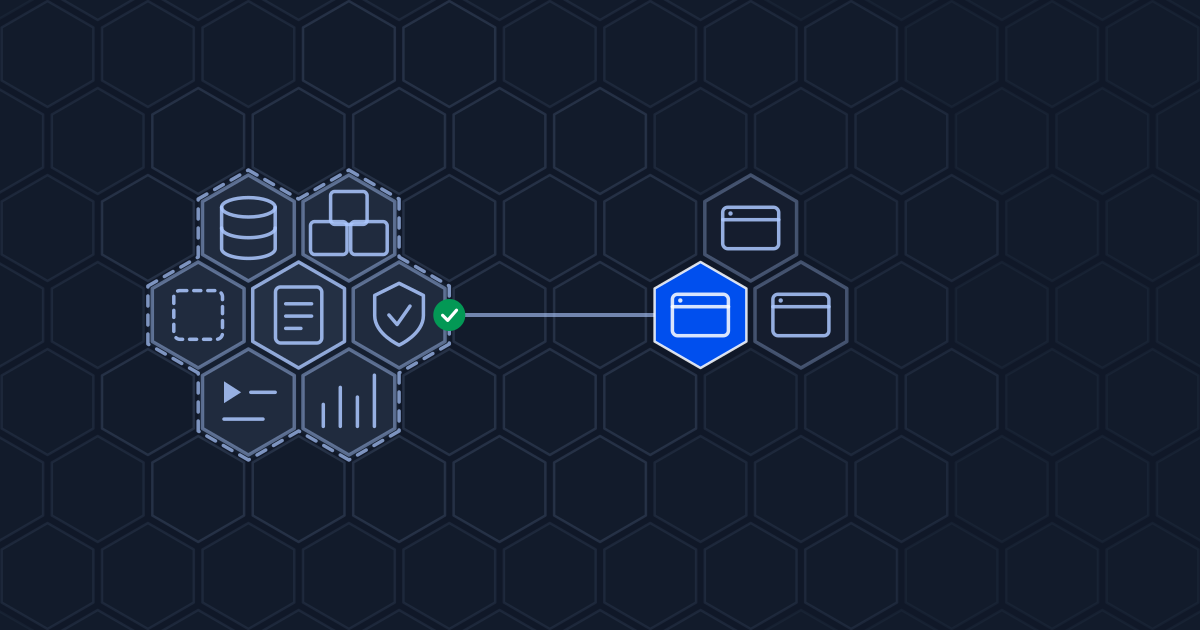
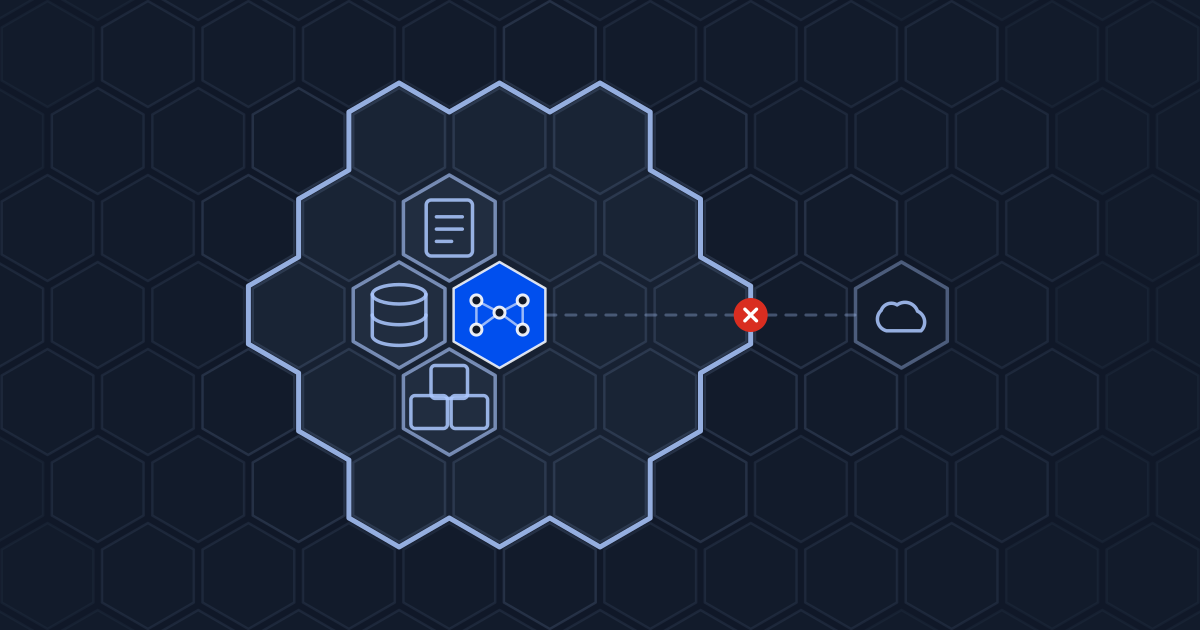
- Governed access to enterprise data
- Secure execution environments
- Reusable templates and patterns
- Clear control over what agents can and cannot do
Without this foundation, AI becomes a novelty. With it, AI becomes infrastructure.
What Comes Next
As models improve and agent frameworks mature, we’ll see more analytical work shift from:
- Manual execution → Orchestrated workflows
- One-off analysis → Repeatable pipelines
- Individual effort → Team-scale productivity
The organisations that win will be the ones that integrate AI into how work actually happens — not just how demos look.
Ready to Bring AI Agents into Your Analytics Workflows?
At Adamatics, we help organisations operationalize LLMs and AI inside governed, collaborative analytics environments — where automation, security, and reuse go hand in hand.
Common questions
What are AI agents and how do they differ from chat-based AI?
How do LLMs help analysts in their daily work?
What types of tasks can AI agents automate in analytics workflows?
Does using AI agents mean analysts become less important?
Why do AI agents improve productivity more than simple automation scripts?
What is needed to use AI agents safely in enterprise analytics?
How should organisations start introducing AI agents into analytics workflows?